
TP-Link Deco BE95 Review 2026: Worth It Only If You Cannot Run Cable
A TP-Link Deco BE95 review for 2026. The second 6 GHz band is the whole reason it costs…
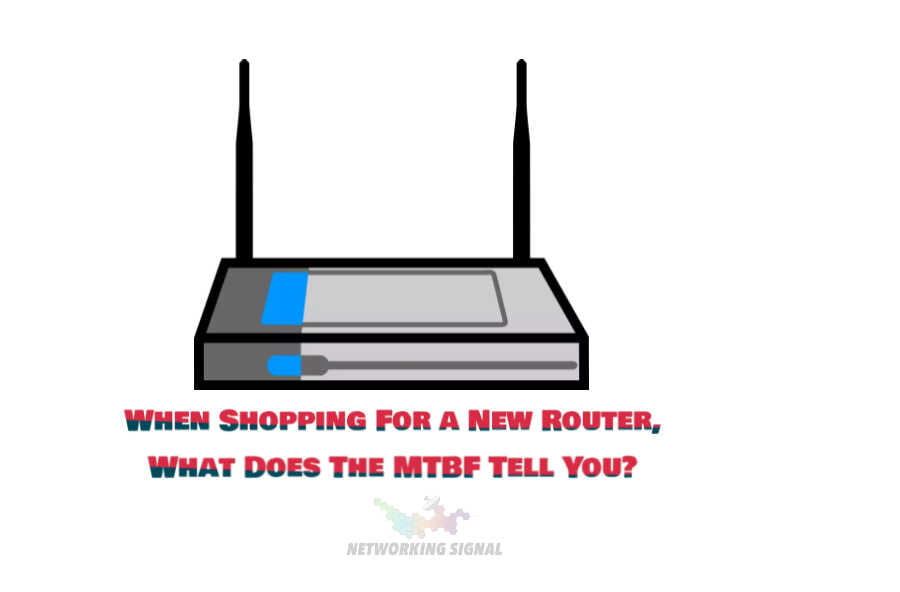
Are you in the market for a new router? With so many options available, it’s essential to consider various factors to make an informed decision. One critical aspect to assess when shopping for a router is MTBF (Mean Time Between Failures).
While it may sound technical, understanding what MTBF tells you can significantly impact your internet experience. In this blog post, we’ll delve into the concept of MTBF and explain its significance when choosing a new router.
MTBF, or Mean Time Between Failures, is a metric used to estimate the reliability and durability of a hardware component or device. It represents the average time interval between two consecutive failures in a given system. MTBF is typically measured in hours and serves as an indicator of the product’s expected lifespan.
When it comes to routers, MTBF provides valuable insights into how long you can expect the device to function without encountering any issues. A higher MTBF value implies a more reliable and durable router, while a lower value indicates a higher likelihood of frequent failures and downtime.
When shopping for a new router, it’s crucial to consider the MTBF value as it directly impacts the device’s performance, uptime, and overall user experience. Here’s why MTBF is significant in router selection:
A router with a high MTBF value is more likely to operate smoothly and without interruptions. This is particularly important for businesses, remote workers, and households heavily reliant on a stable internet connection. A reliable router ensures consistent online access for essential tasks such as video conferencing, streaming, gaming, and general browsing.
With a router featuring a higher MTBF, you can expect reduced downtime due to hardware failures. Unplanned outages can be frustrating and disruptive, impacting productivity and user satisfaction. By selecting a router with a longer MTBF, you minimize the chances of experiencing frequent disruptions and the associated inconveniences.
Investing in a router with a higher MTBF can result in long-term cost savings. Although routers with superior reliability may come with a higher price tag, they tend to offer better value over time. By avoiding frequent repairs, replacements, and associated downtime, you save on maintenance costs and ensure a more consistent internet experience.
A router with a higher MTBF provides greater stability to your network. It can handle high data traffic, multiple device connections, and bandwidth-intensive activities more efficiently. Whether you’re running a small business or have a bustling household with numerous connected devices, a stable router ensures seamless connectivity for all users.
Knowing that you have a router with a high MTBF brings peace of mind. You can trust that the device is designed to withstand continuous high-demand usage and provide a reliable internet connection. This peace of mind allows you to focus on your work, entertainment, or any online activities without worrying about sudden interruptions or malfunctions.
Several factors influence the MTBF value of a router. Understanding these factors can help you make a more informed decision when selecting a new device. Let’s explore the key factors that affect the MTBF of routers:
The build quality of a router plays a significant role in its reliability and longevity. Routers constructed with high-quality components and robust engineering tend to have a higher MTBF. Look for routers from reputable brands known for their durable and well-built networking equipment.
Heat is a common enemy of electronic devices, including routers. Excessive heat can lead to component failures and decreased overall lifespan. Routers with efficient heat dissipation mechanisms, such as advanced cooling systems or heat sinks, can handle prolonged usage without overheating. This, in turn, positively impacts the MTBF.
The quality and reliability of individual components used in a router influence its overall MTBF. Routers built with reputable, long-lasting components are more likely to have a higher MTBF. When researching different router models, consider the reputation and track record of the components used.
The environment in which a router operates also affects its reliability and MTBF. Factors like temperature extremes, humidity, dust, and power surges can impact the performance and lifespan of the device. It’s advisable to place the router in a well-ventilated area, away from direct sunlight, and use surge protectors to safeguard against power fluctuations.
The network load and usage patterns within your home or office can impact the router’s performance and longevity. If you have a large number of devices connected simultaneously or engage in bandwidth-intensive activities like gaming or streaming, it may put more strain on the router. Consider routers that are designed to handle high network loads for a longer period without compromising performance.
Regular firmware updates and manufacturer support can positively influence the MTBF of a router. These updates often include bug fixes, security patches, and performance optimizations, ensuring the router remains stable and reliable over time. Check if the router manufacturer provides regular firmware updates and has a responsive support system.
By considering these factors, you can evaluate different router models and select the one with a higher MTBF, ensuring a reliable and durable networking solution for your specific needs.
While MTBF is an essential reliability metric, it’s worth noting that it doesn’t provide a complete picture of a router’s performance. When assessing the reliability of routers, other metrics such as Mean Time To Repair (MTTR) and Failure Rate also come into play.
While MTBF provides an estimate of the expected time between failures, considering MTTR and failure rate alongside MTBF gives a more comprehensive understanding of a router’s reliability and performance.
When shopping for a new router, paying attention to the MTBF value can significantly impact your internet experience. MTBF provides valuable insights into the expected reliability and durability of a router.
By choosing a router with a higher MTBF, you can enjoy a more stable network, reduced downtime, and long-term cost savings. However, it’s important to consider MTBF alongside other factors such as build quality, environmental conditions, and firmware support to make a well-informed decision.
Remember, a router with a high MTBF brings peace of mind, ensuring uninterrupted connectivity for your work, entertainment, and everyday online activities. So, take the time to research different models, compare their MTBF values, and select the one that best fits your needs and budget.
With the right router in place, you can enjoy a seamless internet experience, uninterrupted streaming, and reliable online gaming. Remember, MTBF is just one aspect to consider, so take a comprehensive approach when selecting your router to ensure it meets all your requirements.
Hand-picked articles you might also find useful.
 Routers
 A TP-Link Deco BE95 review for 2026. The second 6 GHz band is the whole reason it costs…
 Routers
 Tri-band means a third radio — either a second 5 GHz band or a 6 GHz band on…
![[Easy Way] How to Reset Your Xfinity Router?](https://www.networkingsignal.com/wp-content/uploads/2026/09/auto/art-how-to-reset-your-xfinity-router.svg) Routers
Routers Resetting your Xfinity router is a simple process that can solve a lot of internet connectivity issues you…