
6 Best Modems for Cox in 2026 (Certified and Tested)
The best Cox approved modems for 2026. The Motorola MB8611 at $130 suits most plans and pays back…
A cable modem is classified as a digital device due to its function of transmitting and receiving digital data over a digital line. This device interfaces with the network of an Internet Service Provider (ISP) and converts the incoming data signals into a digital format that can be distributed across a local network. This distribution is typically facilitated through a wired Ethernet or Wi-Fi connection.
Understanding the classification of a cable modem as a digital model is not merely an academic exercise. It is a fundamental aspect of comprehending the underpinnings of our everyday internet access. As the primary device that connects us to the digital world, a deeper understanding of its operation can offer valuable insights into the mechanics of our digital communications.
In this blog post, we will explore the reasons behind the classification of a cable modem as a digital model. We will discuss its integral role in data transmission, delve into the technology that enables its operation, and elucidate the significance of its digital classification in the context of internet connectivity.
By the end of this post, you will have a comprehensive understanding of why a cable modem is classified as a digital model and the implications of this classification on its operation and our digital communications. Stay tuned for an enlightening exploration of this ubiquitous yet often overlooked device.
A cable modem is a network bridge that provides bi-directional data communication via radio frequency channels on a hybrid fiber-coaxial (HFC), radio frequency over glass (RFoG), and coaxial cable infrastructure.
It is a critical piece of hardware that is typically provided by your internet service provider (ISP) or purchased separately for personal use. The primary function of a cable modem is to facilitate the transmission and reception of data such as emails, web pages, text messages, and other forms of digital information through the primary data connection.
This device is the gateway that connects your local network to the wider Internet.
Cable modems establish an internet connection through the same infrastructure that delivers cable television. They utilize the TV channel space for data transmission, with certain channels designated for downstream transmission and others for upstream transmission.
Most companies that offer cable internet have repurposed their existing cable TV infrastructure to provide internet access, adding function on top of TV programming.
This transition is akin to how wired phone service providers expanded their services to include high-speed Internet, also known as DSL.
There is a wide variety of cable modems available in the market, each designed to work with different types of internet technologies. Here are some of the types:
Check Out: 7 Best Modem For Xfinity in 2023 ( Updated )
Each type of modem comes with its own set of features and benefits. The choice of which type to use depends on the specific needs and requirements of the user, the type of internet service available in their area, and the devices they wish to connect to the Internet.
In the broadest sense, a digital model refers to a model that utilizes digital technologies to enhance various aspects of an organization.
It involves the use of digital tools and methodologies to improve efficiency, productivity, and overall performance. However, in the context of cable modems, a digital model takes on a more specific meaning.
It refers to the use of digital signals for the transmission and reception of data. Unlike continuous analogue signals, digital signals are discrete and binary, representing information as a series of ones and zeros.
A cable modem operates as a digital translator. It receives data signals from your Internet Service Provider (ISP) and translates them into a digital format that your routers can understand.
This digital data is then distributed across your local network via a wired Ethernet or Wi-Fi connection. The process of converting these signals is what gives the cable modem its name, as it ‘modulates’ and ‘demodulates’ the signals for transmission and reception, respectively.
When a cable company offers Internet access over the cable, Internet information can use the same cables because the cable modem system puts downstream data – data sent from the Internet to an individual computer – into a 6-MHz channel.
The modem then converts these signals into a digital format that your computer or other connected devices can interpret.
Digital transmission offers several advantages over analog transmission, particularly in the context of cable modems:
These advantages make digital transmission a superior choice for data communication, particularly for cable modems. By understanding why a cable modem is classified as a digital model, we can better appreciate the technology that powers our daily Internet usage.
The classification of cable modems as digital models is a direct consequence of significant technological advancements in the field of data communication. The term ‘modem’ is a portmanteau of ‘modulator’ and ‘demodulator’, indicating its function of converting digital signals into analogue signals for transmission over cable television networks and vice versa.
In the 1980s, the International Telegraph and Telephone Consultative Committee (CCITT) embarked on a mission to define a new standard for modems that would allow full-duplex data transmission at 9.6 kilobits per second over a single-pair circuit operating over the Public Switched Telephone Network (PSTN). This initiative necessitated breakthroughs in echo cancellation technology to ensure that the transmitted signal from the sending modem would not interfere with its receiver.
Furthermore, the evolution of cable modems to use the RF cable network for the return path, a concept known as ‘two-way cable’, enabled them to compete more effectively with the bi-directional digital subscriber line (DSL) service. This advancement was instrumental in the classification of cable modems as digital models.
Digital Signal Processing (DSP) is a critical component in the operation of cable modems. DSP involves applying various mathematical and computational algorithms to signals to enhance their performance. In the context of cable modems, DSP is used for converting digital signals into analogue signals for transmission over cable television networks and vice versa. This process is flexible and can be adapted to perform a wide range of tasks, thanks to the programmable nature of DSP.
Cable modems are compatible with a variety of digital services, including Voice over IP (VoIP) and streaming services. VoIP is a protocol that operates on top of TCP/IP and can function over any standard network equipment. However, modern routers are better equipped to handle VoIP as they typically feature Quality of Service (QoS) capabilities that can prioritize VoIP traffic, ensuring higher bandwidth for these services.
In addition, cable modems are compatible with streaming services. The high-speed internet connection provided by cable modems facilitates the smooth streaming of high-definition content. This compatibility with digital services further underscores the classification of cable modems as digital models, highlighting their versatility and adaptability in the digital age.
In conclusion, the classification of cable modems as digital models is influenced by several factors, including technological advancements, the role of digital signal processing, and their compatibility with digital services. Understanding these factors provides a deeper insight into the operation of cable modems and their role in our digital lives.
Hand-picked articles you might also find useful.
 Modems
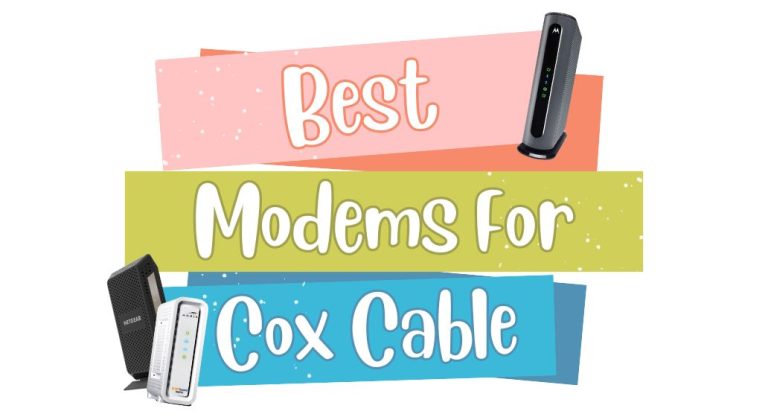
 The best Cox approved modems for 2026. The Motorola MB8611 at $130 suits most plans and pays back…
 Internet & ISP
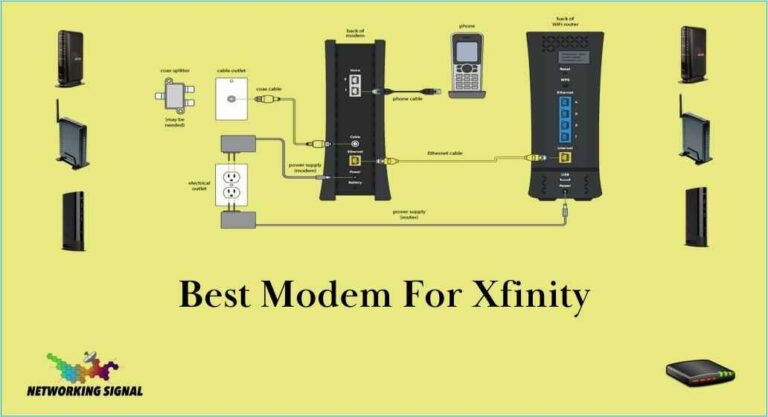
 The best Xfinity-approved modems in 2026. The Motorola MB8611 at $130 suits most plans; if you want Xfinity's…
 Modems
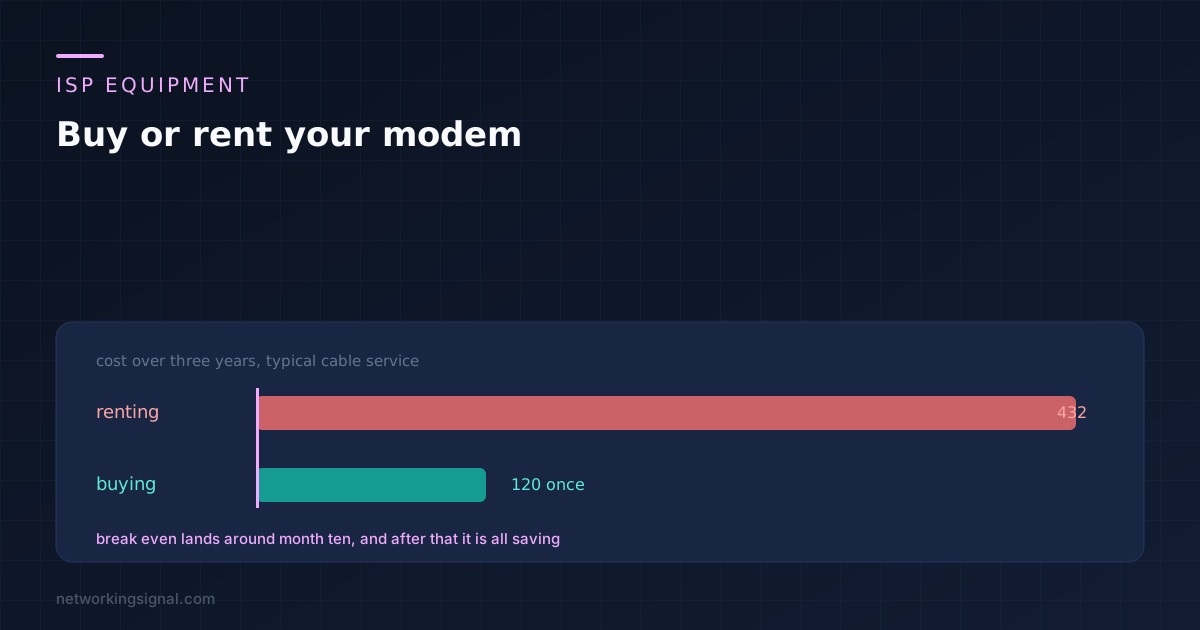
 A rented modem costs around 432 over three years against 120 to buy. But the answer flips entirely…