
Dynamic ARP Inspection (DAI) — How It Works and How to Configure It
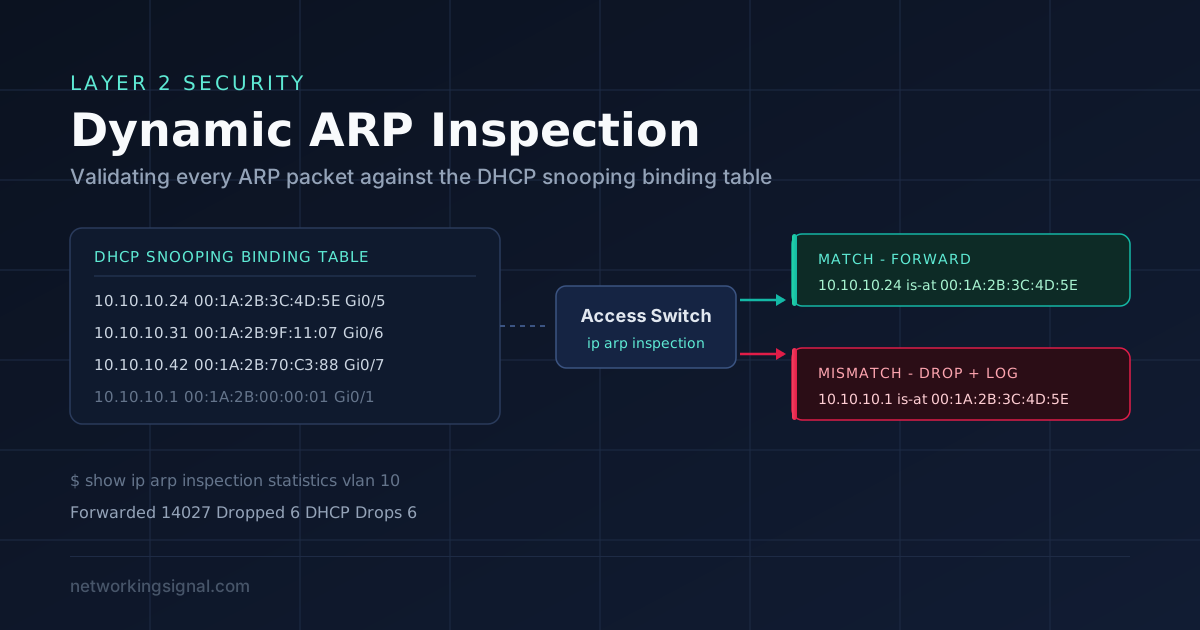
DAI validates every ARP packet against the DHCP snooping binding table and drops the forged ones, stopping ARP…
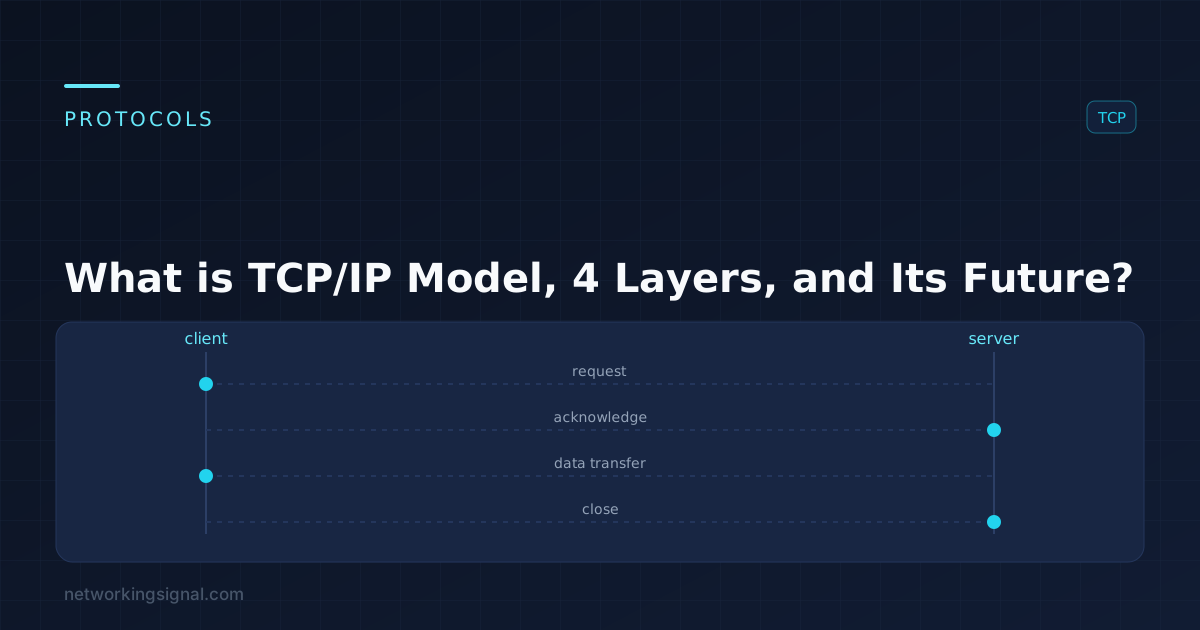
The TCP/IP model is a conceptual model that was developed before the advent of the Internet. It was designed to provide a standard set of rules for how computers communicate with each other.
Examples of TCP/IP Model
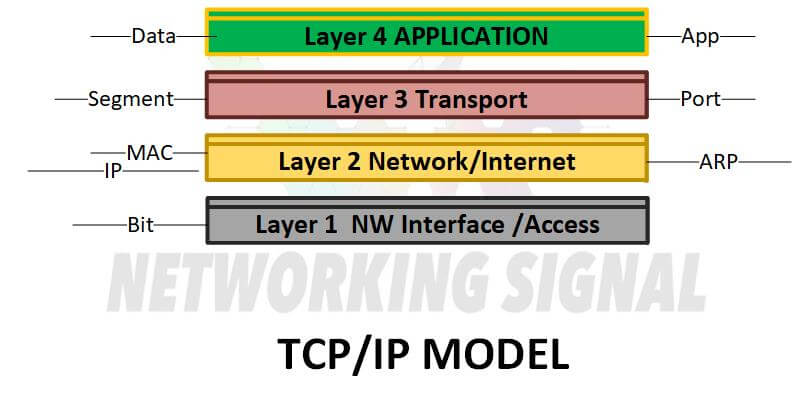
The TCP/IP model is typically divided into four layers:
The Application layer is the highest layer in the TCP/IP model. It is responsible for providing applications with access to the network. This includes protocols such as HTTP, SMTP, and FTP.
The Transport layer is responsible for providing end-to-end connectivity. It is responsible for ensuring that data is delivered reliably and in the correct order. Protocols such as TCP and UDP operate at this layer.
The Network layer is responsible for routing traffic across the network. This includes protocols such as IP, ICMP, and ARP.
The Link layer is the lowest layer in the TCP/IP model. It is responsible for providing connectivity between two devices that are connected by a physical link, such as a copper cable or optical fiber. protocols such as Ethernet and Wi-Fi operate at this layer.
There are several advantages of the TCP/IP model:
There are also some disadvantages of the TCP/IP model:
The TCP/IP model is similar to the OSI model, but it has a few key differences.
See Also: OSI model vs TCP/IP Model ( Comparison )
The future of the TCP/IP model is likely to be more evolutionary than revolutionary. The model has been around for decades and has proven to be very successful. New protocols are constantly being developed to take advantage of new technologies, but the basic structure of the model is unlikely to change significantly.
Hand-picked articles you might also find useful.
 Routing & Switching
 DAI validates every ARP packet against the DHCP snooping binding table and drops the forged ones, stopping ARP…
 Routing & Switching
 What is Uplogix Beyond Out Of The Band? Uplogix Beyond Out Of The Band (UBO) is an enterprise-level…
 Routing & Switching
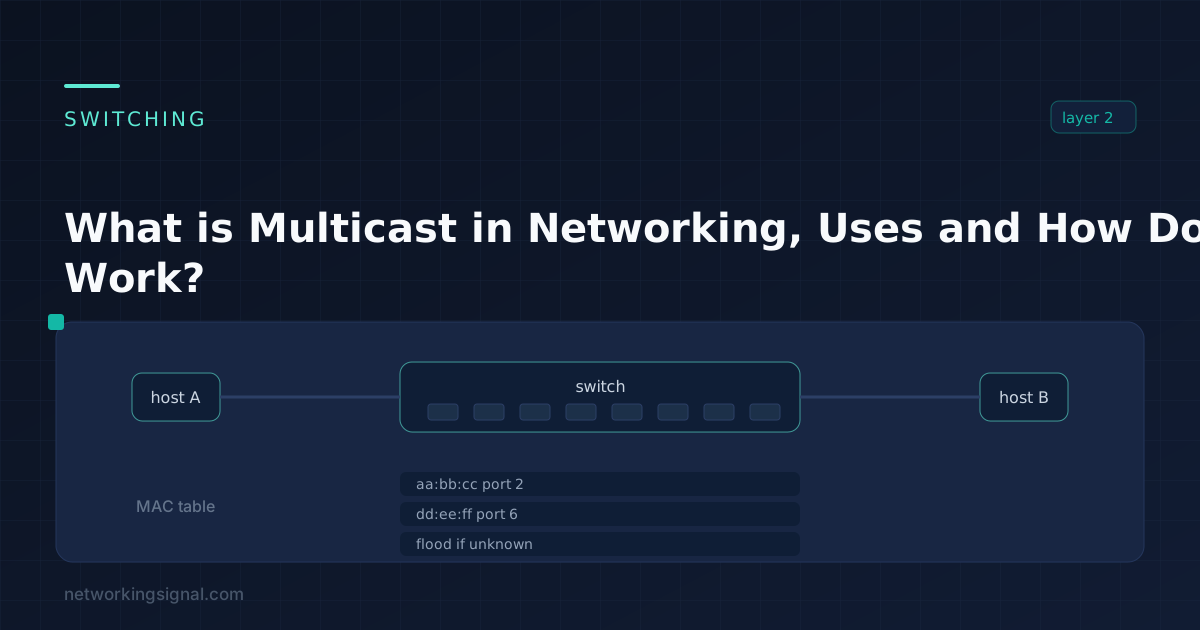
 What is Multicast in Networking? Multicast is a networking protocol that allows for the efficient delivery of data…