
What is Default Routing and How to Configure It? Detail Explained
What is Default Routing in Networking? Default routing, also known as static routing , is an IP routing…
When it comes to choosing the right wide area network (WAN) technology, enterprises have traditionally had two main options: SD-WAN and MPLS. Both technologies offer advantages for businesses seeking a reliable connection over long distances, but there are some key differences depending on the needs of your organization.
For Home Network: If you are setting up a home network, then SD-WAN can be an ideal choice. It is easier to set up and manage than MPLS and requires fewer technical skills. Additionally, it provides increased flexibility in both cost and features, making it a great option for many home networks.
For Office Network: If you are setting up a network for an office, then MPLS can be the right choice. It is more reliable and provides more features than SD-WAN. Although it requires more technical knowledge to set up, it offers better performance and scalability over long distances than SD-WAN.
For Enterprise Network: If you are setting up a large enterprise network, then MPLS is the best choice. It can easily accommodate huge amounts of data traffic and provides increased security for sensitive communications. Additionally, it offers more flexibility in terms of features and scalability than SD-WAN.
For Hybrid Networks: If you need to connect multiple sites with a combination of physical and virtual networks, then hybrid networks are the way to go. Hybrid WANs provide the flexibility of using different technologies for different segments of the network. This allows organizations to choose the best technology for each part of their network in order to maximize performance and cost savings.
There are several advantages to using SD-WAN over MPLS, including:
MPLS also has several advantages, including:
SD-WAN is typically the best choice for businesses that need to quickly and cost-effectively connect multiple offices across a wide area network (WAN). It is also ideal for companies that do not require a dedicated connection or need to maintain higher levels of security.
MPLS is typically the best choice for businesses that need a dedicated connection between two points, as well as those that require greater control and security over their data traffic. It is also ideal for companies that rely heavily on their network performance, such as VoIP or streaming services.
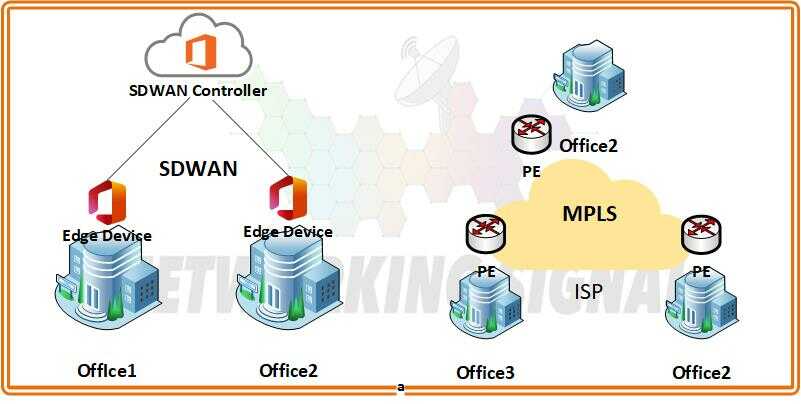
The cost of SD-WAN and MPLS can vary significantly depending on the needs of your organization. Generally, SD-WAN is more affordable than MPLS, as it uses existing broadband connections rather than having to install specialized leased lines. However, for companies that require a dedicated connection or need to maintain high levels of security, MPLS may be a more cost-effective choice.
Examples:
The deployment of SD-WAN and MPLS can also vary significantly depending on the needs of your organization. In general, SD-WAN is easier to deploy than MPLS as it does not require specialized leased lines or hardware. On the other hand, MPLS requires more configuration and setup in order to ensure that it provides the desired levels of security and reliability.
Example:
In terms of security, MPLS provides greater control and encryption than SD-WAN due to its dedicated links. This makes it ideal for businesses that require higher levels of data protection or those that are transferring sensitive information across their network. On the other hand, SD-WAN does not offer the same level of security as MPLS but can be more secure than using a public internet connection.
Example:
Hand-picked articles you might also find useful.
 Routing
 What is Default Routing in Networking? Default routing, also known as static routing , is an IP routing…
 Routing
 What is SDWAN? SDWAN is a software-defined networking technology that allows for the creation of virtualized network overlays.…
 Routing
 What is Segment Routing? Segment Routing is an IP-based network routing protocol that uses source routing. It enables…