
Bus Topology — How It Works, Advantages and Why It Died Out
Bus topology connects every device to one shared cable with a terminator at each end. Here is how…
The world is quickly running out of IPv4 addresses, and a new version of the internet protocol, IPv6, is needed to handle the increased number of devices that are connecting to the web.
While IPv6 offers many advantages over IPv4, it has been slow to catch on due to its complexity and lack of backward compatibility. In this post, we’ll take a look at the differences between IPv4 and IPv6, and explain why it’s important for businesses to make the switch.
IPv4 is a communications protocol used to connect devices on a network. “Internet Protocol Version 4” is the fourth version in a series of specifications that dictate how packets of information are sent and received by devices connected to networks using the Internet Protocol.
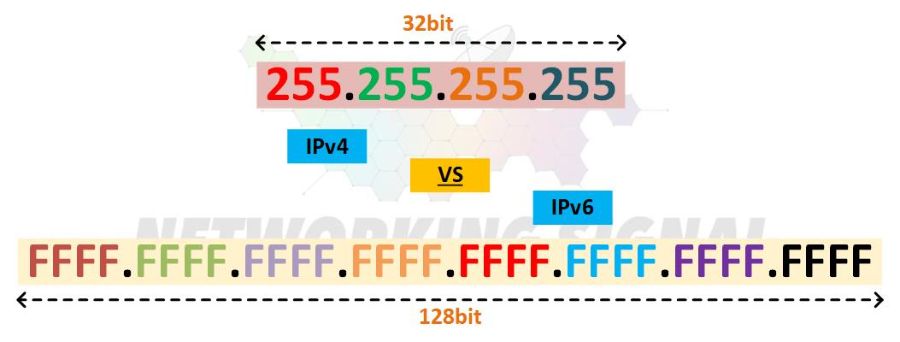
IPv4 uses 32-bit addresses, which means it can support only up to about 4 billion unique addresses, or devices that can be reached from other devices on the Internet.
To accommodate the rapid growth of connected devices worldwide, IPv6 was developed as an upgraded version of the IP numbering system which features longer IP addresses than IPv4 (128 bits).
While some experts predicted that we would run out of IPv4 address space in 2011, global adoption of IPv6 is still far from widespread, largely due to the complexity of the transition and a lack of consumer awareness.
One reason why some companies hesitate on making the switch to IPv6 is due to the costs involved with upgrading equipment at their headquarters or in their data centers along with purchasing additional hardware or software to make it work. However, this is not the only expense involved with IPv6 implementation.
For example, companies that aren’t able to connect using IPv6 will be unable to reach customers and workers who utilize an IPv6 connection for their network and devices. This includes users of the Google Cloud Platform (GCP), which doesn’t support connections via IPv4.
If your business uses GCP and you don’t want to miss out on the numerous advantages it provides, Google recommends upgrading your networking equipment as well as exploring options such as connecting through a content delivery network (CDN) or by utilizing its Interconnect service.
That depends on a lot of factors, but the best answer is to probably use both for a while. IPv4 and IPv6 can coexist on the same network, so you don’t have to make an immediate switch.
However, at some point in the future, you’ll need to make the full transition to IPv6 as IPv4 addresses run out.
The good news is that most current hardware and software can support both IP protocols, so there’s no reason not to start getting acquainted with IPv6 now.
With the internet growing at an exponential rate, IPv4 addresses are quickly running out. The new system for IP addressing is called IPv6 and it’s taking over.
We hope this article has helped understand the difference between IPv4 and IPv6. If you have any questions, please feel free to contact us for more information or visit our website here!
Hand-picked articles you might also find useful.
 Networking Fundamentals
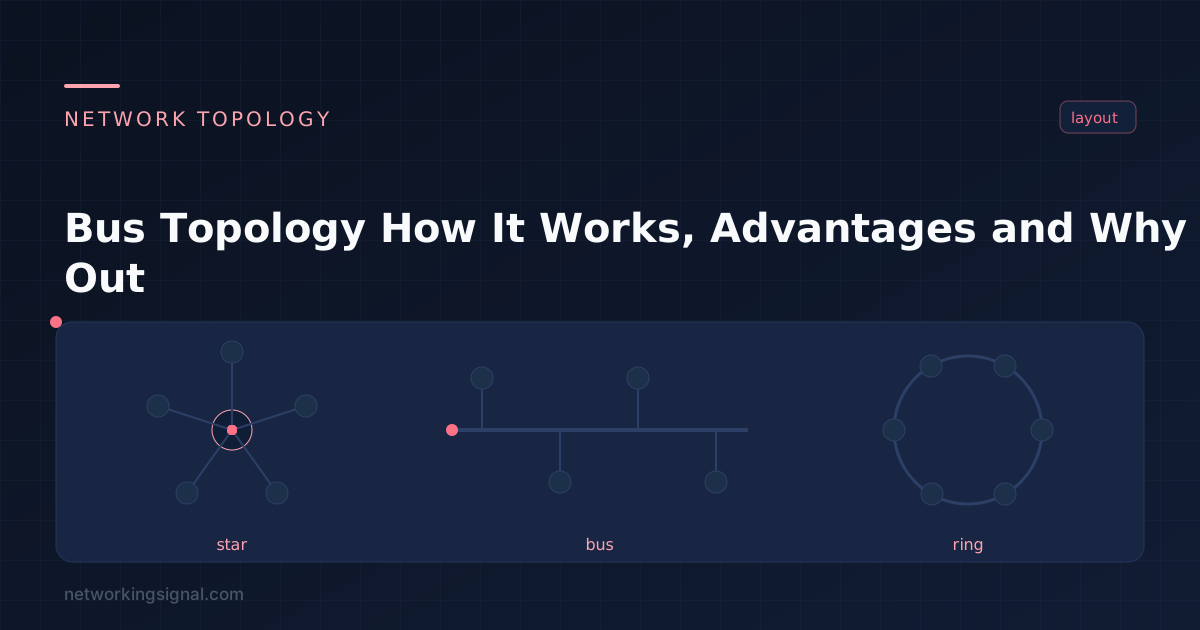
 Bus topology connects every device to one shared cable with a terminator at each end. Here is how…
 Networking Fundamentals
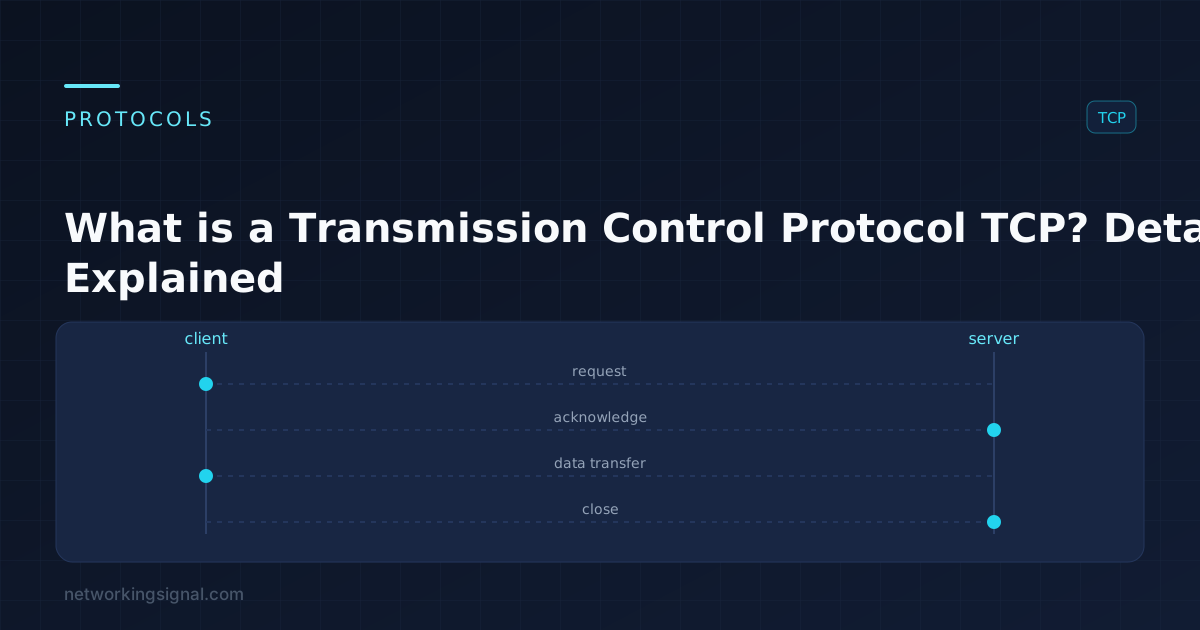
 What is a Transmission Control Protocol TCP? The Transmission Control Protocol (TCP) is a set of rules that…
 Networking Fundamentals
 How to set up a home network properly in 2026. Bridge the ISP box, put the router in…