
IoT VLAN at Home: Isolate Smart Devices Without Enterprise Gear
Put cameras, plugs and TVs on their own network. Three ways to do it, the five firewall rules…
The Authentication Header (AH) is a member of the IPsec protocol suite. AH provides authentication and optional anti-replay service without providing confidentiality. Authentication is performed using a keyed message digest algorithm, in which a cryptographic key is used to create a digital signature over selected fields within the packet header.
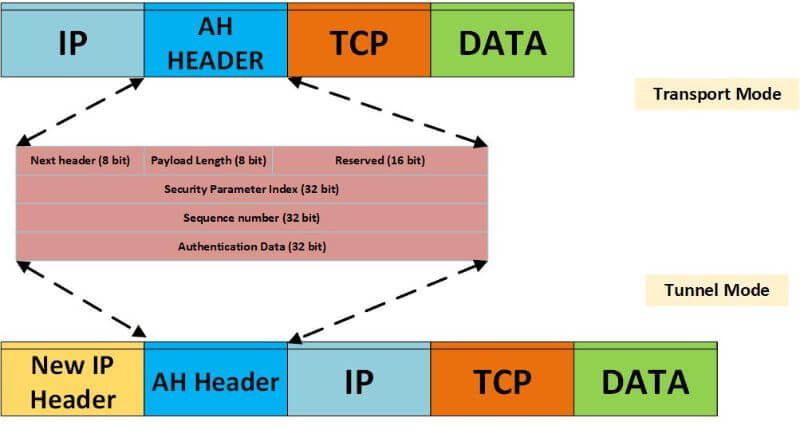
AH offers a number of advantages over other methods of data authentication:
There are also some potential disadvantages associated with using AH:
The www-authenticate header is an HTTP response header that is used to authenticate a user. The header contains a challenge that the user must respond to in order to gain access to the resource. The challenge typically consists of a username and password, but may also include other information, such as a security question or a one-time code.
Here are the steps to decode the basic Authentication Header:
NTLM authentication and the Authentication Header are two separate things. NTLM is a challenge/response protocol that can be used to authenticate a user. The Authentication Header is an HTTP response header that is used to authenticate a user.
The header contains a challenge that the user must respond to in order to gain access to the resource. The challenge typically consists of a username and password, but may also include other information, such as a security question or a one-time code.
The www-authenticate header is typically used in conjunction with the 401 Unauthorized status code.
NTLM authentication can be used in conjunction with the Authentication Header to provide a more complete security solution. However, NTLM authentication is not required in order for the Authentication Header to be used.
The Authentication Header and the Encapsulating Security Payload are two members of the IPsec protocol suite. Both AH and ESP provide authentication for data being transmitted over an IP network.
However, there are some key differences between the two protocols:
Hand-picked articles you might also find useful.
 Security
 Put cameras, plugs and TVs on their own network. Three ways to do it, the five firewall rules…
 Security
 IP spoofing forges the source address in a packet header to hide the sender or impersonate a trusted…
 Security
 What is the Goal of Cyber Security? The goal of cyber security is to protect electronic information and…