
7 Best Mesh WiFi Systems for Thick Walls in 2026 (Tested Advice)
The best mesh WiFi for thick walls in 2026. The TP-Link Deco X55 three pack at $150 wins…
In the modern digital world, internet connectivity has become an essential part of our daily lives. We rely on the Internet for work, entertainment, communication, and more. At the core of our home internet connection are two key devices – the modem and the router.
But what exactly do these devices do?
Are they the same thing or do they serve different purposes?
This article will provide an in-depth look at modems and routers, explaining what they are, their roles in a network, the differences between them, and how to choose the right option for your needs.
A modem (modulator-demodulator) is a hardware device that allows a computer or other device to connect to the internet. The modem’s job is to convert data from the digital format used by computers into the analog format required for transmission over phone lines, cable lines, or radio waves. The modem serves as a bridge between digital devices and analog communication mediums.
Definition of a modem
More specifically, a modem modulates outgoing digital data into analog carrier signals for transmission and demodulates incoming analog signals back into digital data for computers. This conversion between analog and digital data enables devices to communicate with each other across the internet.
A modem encodes data into analog waves on one end and decodes analog waves back into data on the receiving end.
Role of a modem in a network
In a home or office network, the modem serves as the bridge between the internet service provider’s network and the local network. It establishes a connection with the ISP, making internet connectivity available to multiple devices through the local network.
All data passing between the internet and local devices travels through the modem. The modem acts as the intermediary between the wider internet and personal devices.
Common types of modems
Some common types of modems include:
| Modem Type | Connection Medium |
|---|---|
| Dial-up modems | Telephone lines |
| DSL modems | Digital subscriber line (DSL) over phone lines |
| Cable modems | Local cable TV lines |
| Fiber optic modems | Fiber optic cable |
| Satellite modems | Signals from orbiting satellite dish |
A router serves a different role than a modem – its job is to direct data traffic properly between computers and devices within a local network and/or between local devices and the internet. The router manages traffic flow on the local network.
Definition of a router
Specifically, a router examines data packets coming across the network and routes them to the appropriate destination based on the address information contained in the packets. This helps ensure data gets to the right device and prevents collisions. A router inspects destination addresses to guide data packets where they need to go.
Role of a router in a network
The router creates and manages the local area network (LAN), connecting devices within the network and providing connectivity to the wider internet through the modem. It coordinates data transmission, determines the best path for packets across the network, and filters out broadcast traffic meant for a specific machine. The router oversees the local network environment.
Common types of routers
Some common router types are:
| Router Type | Connection Method | Primary Use Case |
|---|---|---|
| Wired routers | Ethernet cables | Reliable wired connectivity |
| Wireless routers | WiFi signals | Flexible wireless coverage |
| SOHO routers | Wired/wireless | Small offices and homes |
| Gaming routers | Wired/wireless | Low latency online gaming |
| Travel routers | Compact size | Portable on-the-go access |
While modems and routers both play important networking roles, they do very different things. The key differences include:
Functionality differences
Physical differences
Connection differences
While modems and routers serve distinct functions, advances in networking technology now allow the features of both devices to be combined into a single unit. These hybrid “modem router combo” devices contain the modulation/demodulation circuitry of a modem AND the data traffic routing functionality of a router in one box.
Explanation of combo devices (modem/router)
A modem router combo device can establish the internet connectivity of a modem while also managing the local network connectivity and directing intra-network traffic as a router.
This eliminates the need to have separate hardware units for each function. The combo unit can make internet access available to multiple wired and wireless devices in a small office or home much like having standalone separate devices.
Pros and cons of using a combo device
Pros:
Cons:
So which option should you choose for your networking needs – a standalone modem, standalone router, or combo unit? Here are some key factors to consider:
Situational recommendations
Here are some general guidelines on which option may work best in different scenarios:
Recap of key points
Final thoughts on the topic
When setting up home or small office internet connectivity, understanding the difference between a modem and a router is important in choosing suitable networking equipment.
While combining both functions into one unit has its advantages, evaluating your current and future internet requirements against the pros and cons of integration helps determine if a combo device or separate components makes more sense.
With some careful planning when making this decision, you can enjoy the right solution that meets both your connectivity and budget needs.
Hand-picked articles you might also find useful.
 Networking Gears
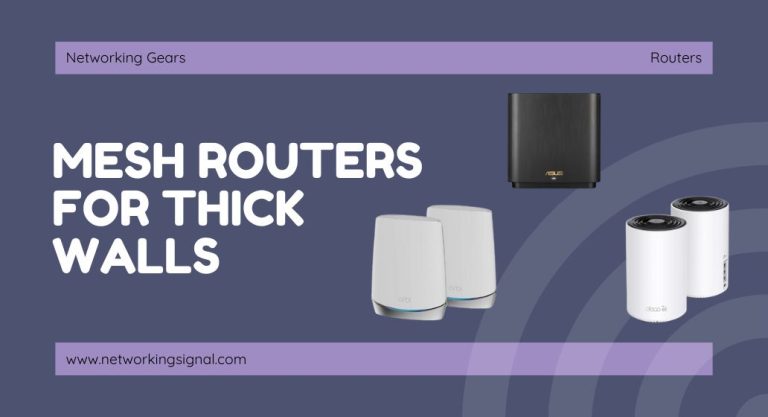
 The best mesh WiFi for thick walls in 2026. The TP-Link Deco X55 three pack at $150 wins…
 Cables
 The best Starlink Ethernet adapters for 2026. The LUCMO Gen 2 adapter at $17.99 does the job. Most…
 Networking Gears
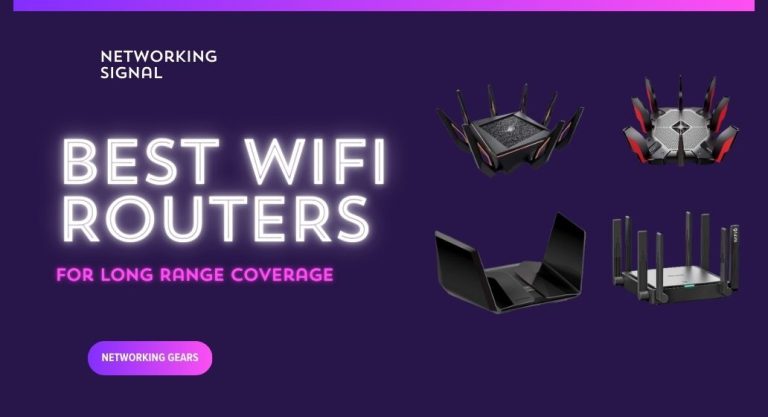
 The best long range WiFi routers in 2026. The TP-Link Deco XE75 Pro three pack covers 7,200 sq…