
Modem vs Router: You Should Read Amazing Things
Do you know the difference between a modem and a router? Many people don’t, but it’s an important…
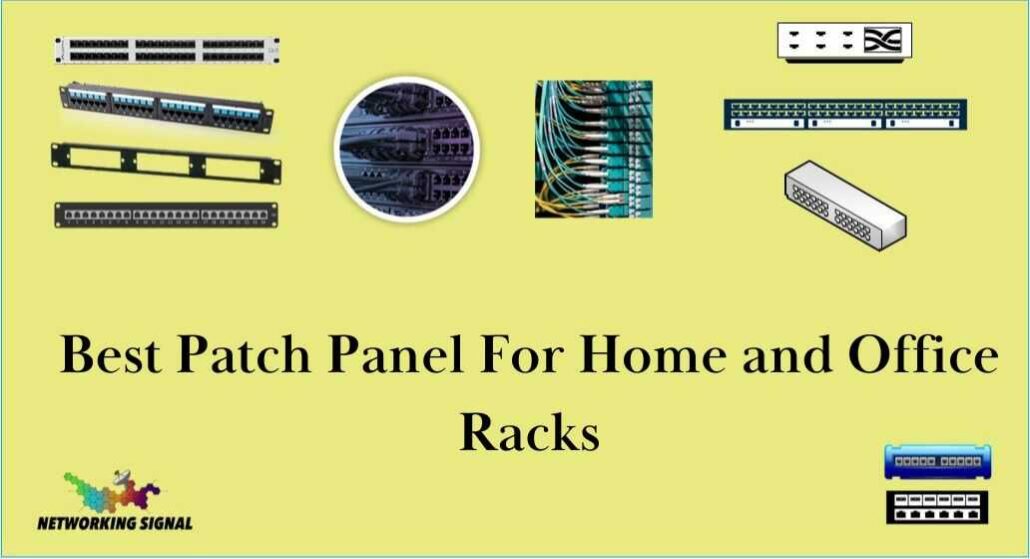
Are you looking for an efficient solution to organizing and managing your network cablings? If so, then installing a patch panel could be the perfect way to improve both the speed and reliability of your network. With a quality patch panel in use, you will be able to quickly and easily manage even large networks with complex connections.
In this blog post, we’ll go over what exactly makes up the Best patch panel, why it should be part of your wired networking setup, and some tips on how best to select one. Read on to find out more!
A patch panel is a hardware device that helps connect multiple cables in one convenient location. It allows for the efficient and easy organization, routing, and management of your data and communication cables.
Patch panels can be used as part of an internal network system or as an external connection point between a company’s local area network (LAN) and the public internet. Patch panels are typically installed in commercial or industrial buildings, such as server rooms, data centers, and telecommunications closets.
Look Here:
Check Out Our Top 3 Recommendations
1. TRENDnet 24-Port Blank Keystone 1U Patch Panel
2. Rapink Patch Panel 24 Port Cat6 with Inline Keystone 10G Support
3. iwillink 24 Port Patch Panel
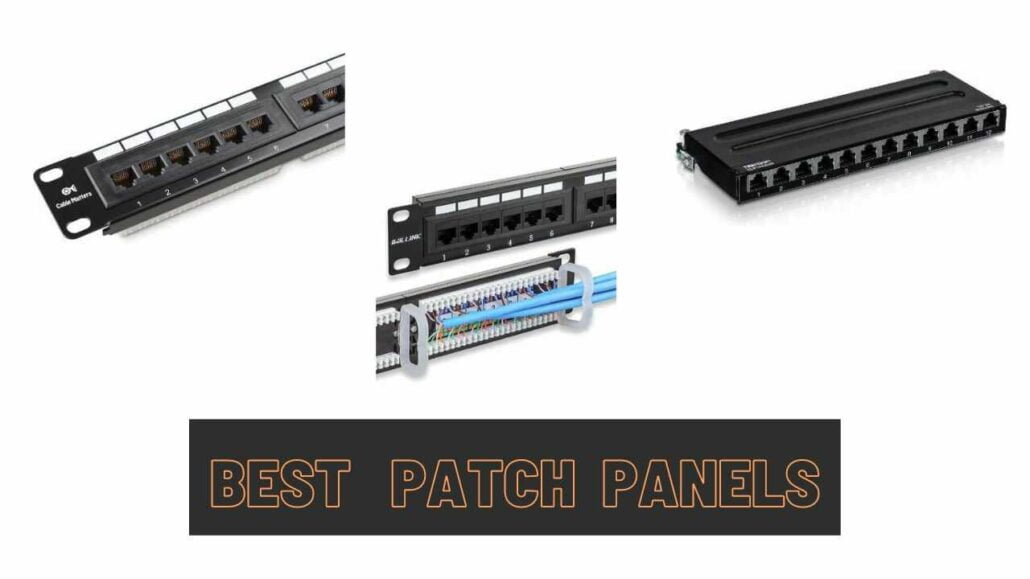
Here are some of the best patch panels available on the market:
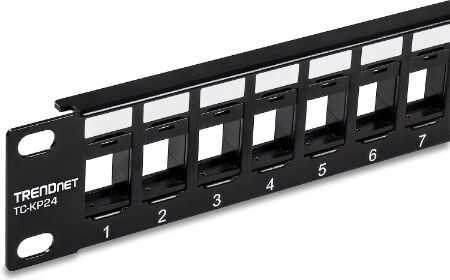
| Brand | TRENDnet |
| Connector Type | RJ45 |
| Cable Type | Ethernet |
| Compatible Devices | Personal Computer |
| Special Feature | Use with TC-K25C6 and TC-K50C6 Cat6 keystone jacks (sold separately) |
| Ethernet cable category | Cat 6 |
| Color | Black |
| Item Weight | 259 Grams |
| Product Dimensions | 19 x 1.77 x 0.4 inches |
| Price |  |
| Patch Panel Hardware Design | 19” 1U sturdy metal rackmount housing design |
| Patch Panel Connectivity | RJ 45, RJ 11 (LAN, WAN) |
| Patch Panel Noise Control | protects against EMI/RFI noise. |
| Patch Panel with I/O Ports | Yes, 24 Ports |
| Patch Panel Number of the port | 24-Port blank keystone shielded 1U patch panel |
| Patch Panel Cable management | Includes pre-numbered sequential ports with supplementary labels |
| Patch Panel Metal type | SPCC steel for long-lasting use |
| Price | |
| Pros | Cons |
| This helped clean up the wiring on my home 24u network rack | The product is good quality but not made for toolless jacks |
| Well built, and has good value, but it would be perfect if it comes with mounting screws and nuts. | |
| Mounting them on the rack was easy. | |
| Jacks can be snapped in and can be removed. | |
| Liked how easy it was to snap in patch terminals, saving money and time in the small data centers. |
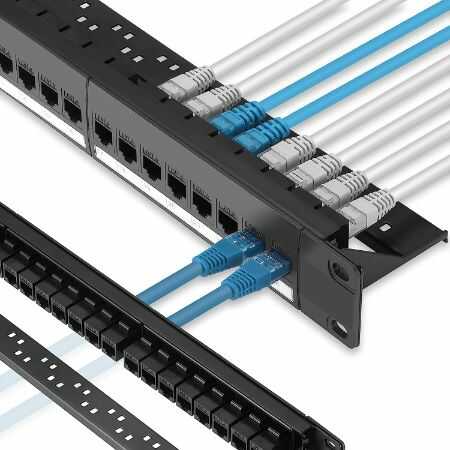
| Brand | Rapink |
| Connector Type | VGA, HDMI, RJ45 |
| Cable Type | HDMI, VGA, Ethernet |
| Compatible Devices | Personal Computer |
| Special Feature | Thick steel detachable back bar. With zip ties |
| Ethernet cable category | Cat 6, Cat5e, Cat7 |
| Color | Black |
| Item Weight | 1.5 Pounds |
| Product Dimensions | 20 x 4.5 x 2.5 inches |
| Price | |
| Patch Panel Hardware Design | Standard 19-inch 1u patch panel suitable for Rackmount |
| Patch Panel Connectivity | RJ 45, RJ 11 (LAN, WAN) |
| Patch Panel Noise Control | protects against EMI/RFI noise. |
| Patch Panel Number of the port | Comes with 24 Ports couplers loaded on the patch panel |
| Patch Panel with I/O Ports | Yes, 24 Ports |
| Patch Panel Cable management | Label spaces can label everything |
| Patch Panel Metal type | SPCC steel for long-lasting use |
| Patch Panel cable holder | Detachable back bar |
| Patch Panel rack mount type | 19-inch bolt hole for fastening on rack or cabinet |
| Price | |
| Pros | Cons |
| All of the collections running through it are going at their proper speeds | The RJ45 ports on the back of this panel did not hold the cables tight |
| Very easy to install and connect. | |
| Plug and play on both sides for ethernet cables. | |
| CAT6 passthrough coupler tested full 10 gigabytes. |
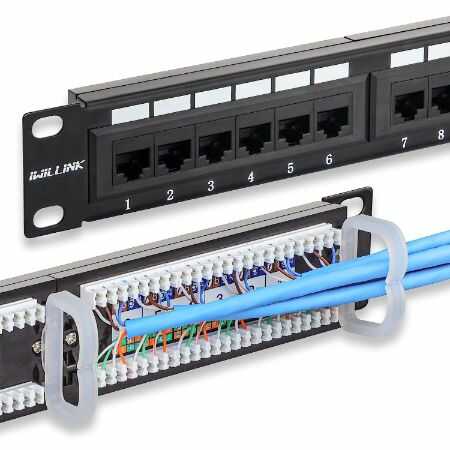
| Brand | iwillink |
| Connector Type | RJ45 |
| Cable Type | Ethernet |
| Compatible Devices | All Types of Server racks |
| Ethernet cable category | Cat 6 |
| Color | Black |
| Item Weight | 1.5 Pounds |
| Product Dimensions | 19.75 x 4 x 2.75 inches |
| Price | |
| Patch Panel Hardware Design | Standard 19-inch 1u patch panel suitable for Rackmount |
| Patch Panel Connectivity | RJ 45, RJ 11 (LAN, WAN) |
| Patch Panel Noise Control | Protects against EMI/RFI noise. |
| Patch Panel Number of the port | Comes with 24 Ports couplers loaded on the patch panel, Gold plated contacts |
| Patch Panel with I/O Ports | Yes, 24 Ports |
| Patch Panel Cable management | Use included D-rings and cable ties for easy cable management |
| Patch Panel Metal type | SPCC steel for long-lasting use |
| Patch Panel cable holder | Detachable back bar with cable ties |
| Patch Panel rack mount type | 19-inch bolt hole for fastening on rack or cabinet |
| Price | |
| Pros | Cons |
| clearly marked, easy-to-terminate cables or in my case a 25pr cable terminating to a BCM50 Chassis | The RJ45 ports on the back of this panel did not hold the cables tight |
| The patch panel is easy to use, mount, and install | |
| I didn’t have any problems patching my CAT6A into it – all ports came up without an error | |
| Good value. No problems experienced so far with installation. |
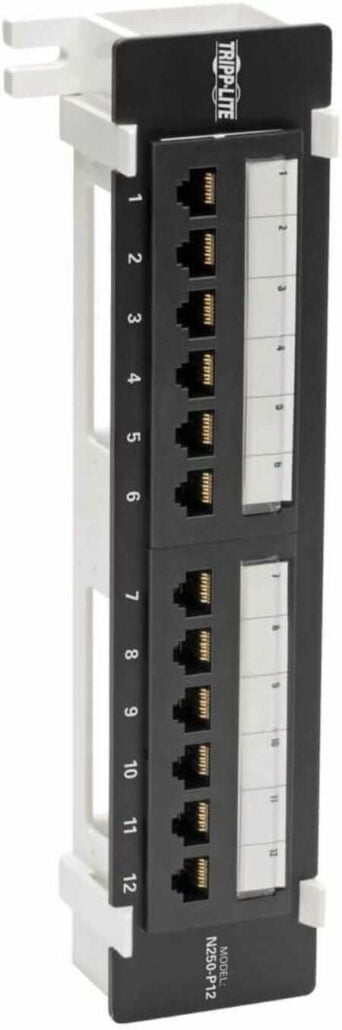
| Brand | Tripp Lite |
| Connector Type | RJ45 |
| Cable Type | Ethernet |
| Compatible Devices | cameras |
| Ethernet cable category | Cat 6 |
| Color | Black |
| Item Weight | 0.7 Pounds |
| Product Dimensions | 3.3 x 10.7 x 2 inches |
| Specific Uses For Product | personal, gaming, business |
| Price | |
| Patch Panel Hardware Design | This 12-inch panel ships fully assembled |
| Patch Panel Connectivity | RJ 45, RJ 11 (LAN, WAN) |
| Patch Panel Noise Control | Protects against EMI/RFI noise. |
| Patch Panel Number of the port | Comes with 12 Ports couplers loaded on the patch panel, Gold plated contacts |
| Patch Panel with I/O Ports | Yes, 12 Ports |
| Patch Panel Cable management | Use included D-rings and cable ties for easy cable management |
| Patch Panel Metal type | Durable aluminum panel with ABS plastic frame |
| Patch Panel cable holder | Included cable ties and a removable cable management bracket |
| Patch Panel rack mount type | Wall mount or Desk |
| Price | |
| Pros | Cons |
| The performance is excellent, and no latency is introduced through the patch panel | This patch panel is not designed to be used with shielded cable |
| Installed in my own home. All drops and VoIP connected with no issues | |
| An inexpensive solution for a tight space and low-budget project | |
| The hanging bracket works perfectly, the patch panel locks in securely and is simple to remove when necessary |
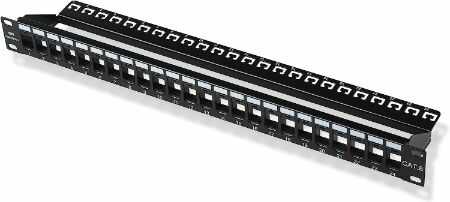
| Brand | Cable Matters |
| Connector Type | Auxiliary, HDMI, RJ45 |
| Cable Type | USB, HDMI |
| Compatible Devices | Personal Computer |
| Ethernet cable category | Cat 6 |
| Color | Black |
| Item Weight | 1 pound |
| Product Dimensions | 20.55 x 16.3 x 2.01 inches |
| Specific Uses For Product | personal, gaming, business |
| Price | |
| Patch Panel Hardware Design | 24 port is universally compatible |
| Patch Panel Connectivity | RJ 45, RJ 11 (LAN, WAN) |
| Patch Panel Noise Control | Protects against EMI/RFI noise. |
| Patch Panel Number of the port | 24 port is universally compatible with 19 racks, cabinets, or wall mount brackets |
| Patch Panel with I/O Ports | No, its Blank Patch Panel |
| Patch Panel Cable management | Stamped port numbers on the panel front and cable management bar |
| Patch Panel Metal type | The sturdy metal construction of Heavy-duty patch panel |
| Patch Panel cable holder | Support the weight of 24 cables |
| Patch Panel rack mount type | Rack or wall mount keystone patch panel |
| Price | |
| Pros | Cons |
| Looks great, printed numbers for each port, white space above each port for custom labels | If you put the keystones in at the wrong angle they can get stuck and are a pain to get out |
| The cable management arm with zip tie slots is very useful for keeping your cables in proper order | |
| 24 port keystone panel in 1U | |
| The price is lower than most other blank keystone panels, which aren’t as nice as this one |
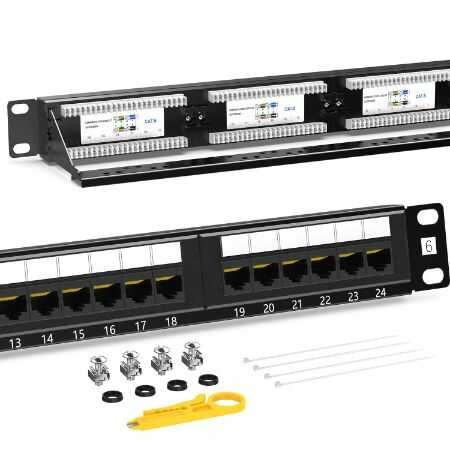
| Brand | AMPCOM |
| Connector Type | RJ45 |
| Cable Type | Ethernet |
| Compatible Devices | Server |
| Ethernet cable category | Cat 6 |
| Color | Black |
| Item Weight | 770 Grams |
| Product Dimensions | 19.02 x 3.54 x 3.54 inches |
| Specific Uses For Product | Personal, gaming, business |
| Price | |
| Patch Panel Hardware Design | Mounted in standard EIA 19″ Racks |
| Patch Panel Connectivity | RJ 45, RJ 11 (LAN, WAN) |
| Patch Panel Noise Control | Protects against EMI/RFI noise. |
| Patch Panel Number of the port | 24 port is universally compatible with 19 racks, cabinets, or wall mount brackets |
| Patch Panel with I/O Ports | Cat6 15μ Gold Plated 24 port patch panel |
| Patch Panel Cable management | Written-on labels and numbered ports on the back and front |
| Patch Panel Metal type | Heavy-duty black powder coat steel |
| Patch Panel cable holder | T568 A&B Wiring color coding |
| Patch Panel rack mount type | 1 x Patch Panel, 1 x rear cable tie-down support bar, 1 x Wire Stripper, Screws, Cable ties |
| Price | |
| Pros | Cons |
| It’s a high-quality build and has some great features that make life easier as an IT pro | Sometimes screws that came with our unit were larger than our screw-hole rack unit |
| Fit in 19 in. enclosure, open frame Rack, or can be attached to Wall Mount Rack | |
| Support VoIP, Webcam, Security Camera, Wireless Access Point | |
| Suitable for home, enterprise, and data center networks | |
| This panel made it so much easier to wire with the patch coming apart in groups of 6 |
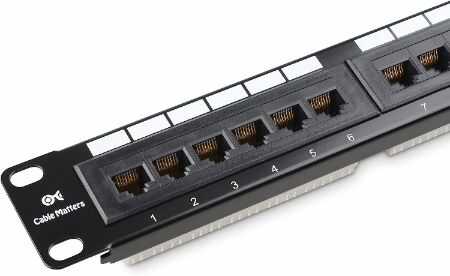
| Brand | Cable Matters |
| Connector Type | RJ45 |
| Cable Type | Ethernet |
| Compatible Devices | Tablet |
| Special Feature | Low Voltage |
| Color | Black |
| Item Weight | 1 Pound |
| Product Dimensions | 20.4 x 5.9 x 2.4 inches |
| Specific Uses For Product | Personal, gaming, business |
| Price | |
| Patch Panel Hardware Design | Professional design with a compact footprint |
| Patch Panel Connectivity | RJ 45, RJ 11 (LAN, WAN) |
| Patch Panel Noise Control | Protects against EMI/RFI noise. |
| Patch Panel Number of the port | 24 port is universally compatible with 19 racks, cabinets, or wall mount brackets |
| Patch Panel with I/O Ports | Gold plated contacts 24 Ports |
| Patch Panel Cable management | Label spaces for hand-written or machine-printed labels |
| Patch Panel Metal type | SPCC 1.5mm steel |
| Patch Panel cable holder | D-rings and cable ties for easy cable management |
| Patch Panel rack mount type | 1 x Patch Panel, 1 x rear cable tie-down support bar, 1 x Wire Stripper, Screws, Cable ties |
| Price | |
| Pros | Cons |
| They’re a solid, high-quality product that I would purchase again | The tool that came with it is ok, but I have to use it a few times to get the wires to stay |
| It’s a good sturdy rack and simple to install | |
| The back includes a fantastic color-coded guide for 568A and 568B configurations | |
| The patch panel that came from Cable Matters was excellent | |
| I like this panel keeps 2 pairs on the top and 2 on the bottom very easy |
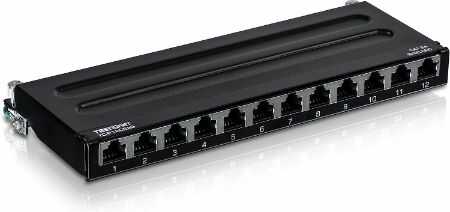
| Brand | TRENDnet |
| Connector Type | RJ45 |
| Cable Type | Ethernet |
| Compatible Devices | Tablet |
| Special Feature | Low Voltage |
| Color | Black |
| Item Weight | 506 Grams |
| Product Dimensions | 8.66 x 3.8 x 0.98 inches |
| Specific Uses For Product | Personal, gaming, business |
| Price | |
| Patch Panel Hardware Design | Professional design with a compact footprint |
| Patch Panel Connectivity | RJ 45, RJ 11 (LAN, WAN) |
| Patch Panel Noise Control | Protects against EMI/RFI noise. |
| Patch Panel Number of the port | The 12-Port Cat6A patch panel |
| Patch Panel with I/O Ports | 12 x RJ-45 ports with 50 micron gold-plated 8P/8C contacts |
| Patch Panel Cable management | Color-coded labeling for T568A and T568B wiring schemes |
| Patch Panel Metal type | Heavy-duty metal housing |
| Patch Panel cable holder | D-rings and cable ties for easy cable management |
| Patch Panel rack mount type | Wall and desk |
| Price | |
| Pros | Cons |
| The screws used to attach it allow a little movement but overall it’s simple and works well. | The ground cable is a bit short, and the grounding screw is only on one side |
| The product seems very sturdy and of good quality | |
| The unit is all metal, well built and installation was easy | |
| It was very easy to install, strain relief is awesome, and it came with its own perfectly sized cable ties | |
| I mounted two of these on the wall and they look and feel way better |

| Brand | Monoprice |
| Connector Type | RJ45 |
| Cable Type | Ethernet |
| Compatible Devices | Tablet |
| Special Feature | Low Voltage |
| Color | Black |
| Item Weight | 1.28 Pounds |
| Product Dimensions | 20 x 3.8 x 2.4 inches |
| Specific Uses For Product | Personal, gaming, business |
| Price | |
| Patch Panel Hardware Design | UL Listed. CAT5e Certified |
| Patch Panel Connectivity | RJ 45, RJ 11 (LAN, WAN) |
| Patch Panel Noise Control | Protects against EMI/RFI noise. |
| Patch Panel Number of the port | The 24-Port Cat6A patch panel |
| Patch Panel with I/O Ports | No, Its Blank Patch Panel |
| Patch Panel Cable management | Color-coded wiring diagram on the back |
| Patch Panel Metal type | Black-painted steel panel |
| Patch Panel cable holder | No |
| Patch Panel rack mount type | for 19″ wide racks |
| Price | |
| Pros | Cons |
| It helps manage cables when the individual wires are closer together | Patch points appear to be aluminum |
| The cable punch points are well-spaced and easy to work with | |
| Good price, well built and haven’t had any issues with any of the ones I’ve purchased | |
| All around the unit feels sturdy and connections and punch-downs | |
| The panel itself is very sturdy, with no flex and clean labeling |
Quality of the Cable
The quality of the cable used in a patch panel is an important factor to consider when choosing the best one for your needs. Good quality cables will last longer, have fewer connection issues, and provide better data transfer speeds. Look for CAT6 or CAT 6A cables, which are the most common and offer the highest quality performance.
Compatibility with Other Cabling Systems
When choosing a patch panel it is important to make sure that it is compatible with any other cabling system you may already have installed. You should be able to connect your existing cabling systems with the patch panel so that you do not have to replace your current system.
The Number of Ports on the Panel
The number of ports on the panel is another important factor. The more ports there are, the more devices and cables you can connect to it. Depending on your needs, you may need a panel with just a few ports or one with many.
Ease of Installation
Choosing a patch panel that is easy to install can make the process go much more smoothly and quickly. Look for panels that come with detailed instructions, include all necessary hardware, and do not require any additional tools for installation.
Warranty Period
The length of the warranty period can be a good indication of the quality of the product. The longer the warranty period, the more confident you can be that it is reliable and will last for many years.
Price
Price should also be taken into consideration when choosing the best patch panel. While higher-priced panels may offer more features and better performance, it is not always necessary to buy the most expensive option. Look for a panel that offers good value for money and meets all of your requirements.
Yes, a patch panel is an essential component of any internal or external network system. It helps to effectively organize and manage your data and communication cables in one convenient location.
The most common types of cable used for patch panels are CAT6 or CAT 6A cables, which provide the highest quality performance.
In most cases, no additional tools are required for installation. However, you should check the instructions that come with your patch panel to make sure.
Yes, patch panels can be used for both internal and external networks. They are typically installed in commercial or industrial buildings, such as server rooms, data centers, and telecommunications closets.
It is recommended to check your patch panel at least once a month for any loose connections or possible damage. This will ensure that your network is running optimally and free from any potential problems.
If your patch panel appears to be damaged, you should inspect it immediately and replace it if necessary. A damaged patch panel can lead to decreased performance and reliability, so it is essential to take action as soon as possible.
When selecting the best patch panel, it is important to consider several factors such as the quality of the cable, compatibility with other cabling systems, number of ports on the panel, ease of installation, warranty period, and price. Doing so will help you find a panel that meets all of your needs while still being within your budget. By doing research and taking the time to make an informed decision, you can ensure that the patch panel you choose will be the best one for your particular needs.
Hand-picked articles you might also find useful.
 Networking Gears
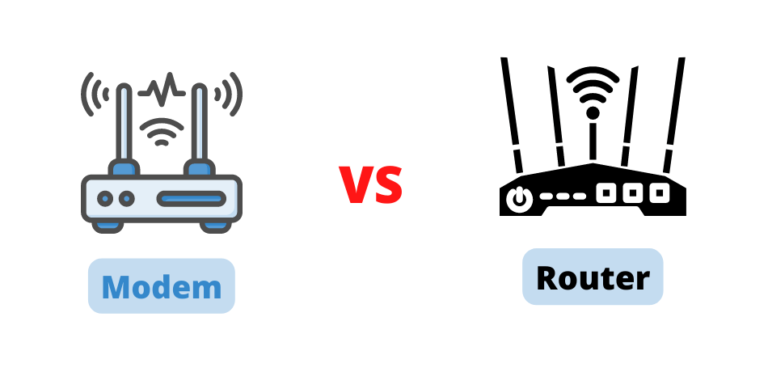
 Do you know the difference between a modem and a router? Many people don’t, but it’s an important…
 Networking Gears
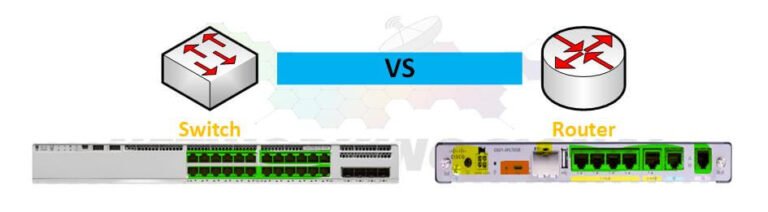
 What are Routers and Switches? Both routers and switches are used to connect devices on a network so…
 Networking Gears
 Are you tired of weak WiFi signals and dead zones in your outdoor spaces? Look no further than…